Selecting a mechanic is often a pivotal decision for car owners. The dynamics of trust, expertise, service quality, and pricing play crucial roles in determining which mechanic earns their business. In an age where vehicles are equipped with increasingly complex technology, understanding the nuances that influence customer choices can help mechanics better serve their clientele and enhance their business.
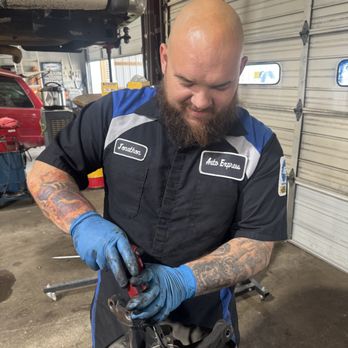
Trust and Reputation
Trust emerges as the foundation of any relationship between a mechanic and a customer. Car owners want to feel confident that their vehicle is in capable hands. This sentiment is especially pronounced when dealing with issues like engine diagnostics or complex repairs. Mechanics who have built a solid reputation through years of reliable service are more likely to attract customers than those who lack such an established track record.
Word-of-mouth recommendations hold significant weight in this industry. Personal referrals from friends or family can greatly influence a customer's choice of mechanic. Positive online reviews on platforms like Yelp or Google can also bolster a shop’s credibility. Conversely, negative reviews can deter potential customers, making it essential for mechanics to maintain high standards of service and customer satisfaction.
Quality of Service
The level of service provided plays a critical role in shaping customer preferences. Customers often seek mechanics who offer thorough diagnostics and transparent communication regarding repairs. For instance, when the check engine light illuminates, they want assurance that the mechanic will conduct comprehensive engine diagnostics to pinpoint the issue accurately.
Mechanics who utilize modern tools such as OBD-II diagnostics equipment DTC code reading demonstrate their commitment to quality service. These tools allow for precise vehicle computer diagnostic testing, leading to quicker resolutions and less guesswork. Moreover, providing detailed explanations about diagnostic trouble code readings builds trust with customers, allowing them to understand what repairs are necessary and why.
A good mechanic's ability to diagnose issues effectively correlates with their experience and training. ASE-certified technicians bring an added layer of expertise that many customers appreciate. This certification not only signifies knowledge but also reassures clients that they are receiving professional engine diagnostic services.
Customer Engagement
Engaging customers throughout the repair process can significantly impact their perception of the mechanic's services. Customers appreciate mechanics who take the time to explain issues in layman's terms rather than using technical jargon that may be confusing. For example, if an engine misfire is detected during diagnostics, a mechanic should clearly outline what that means for the vehicle's performance and what steps need to be taken next.
Offering regular updates while repairs are underway also fosters engagement. Many customers prefer being informed about progress rather than being left in the dark until a final bill arrives. This transparency leads to stronger relationships and greater customer loyalty.
Location and Accessibility
Geographical convenience cannot be overlooked when it comes to choosing a mechanic. A local engine diagnostics shop in Whitehouse TX might have an advantage over one located further away simply due to accessibility factors like travel time or ease of parking. Additionally, mechanics who offer convenient hours or mobile services can attract busy clients who may struggle with traditional shop visits.
Moreover, having easy access to parts inventory can minimize wait times for repairs. Customers tend to favor shops that can quickly source necessary components without excessive delays.
Pricing Transparency
While quality service often commands higher prices, transparency regarding costs remains paramount for consumers evaluating options among various mechanics. Customers value upfront estimates on both labor and parts before proceeding with any work—especially when dealing with auto electrical diagnostics or complex fuel system diagnostics.
Offering clear breakdowns of costs associated with different diagnostic procedures enhances trustworthiness among clients. For instance, if someone needs car warning light diagnostics but isn't sure whether it will result in minor adjustments or extensive repairs, providing clarity on potential costs helps set realistic expectations.
Furthermore, competitive pricing strategies can attract new customers while retaining existing ones—but this must be balanced against maintaining quality standards.
Range of Services Offered
The breadth of services available at a particular shop can significantly influence customer decisions as well. A full-service auto shop capable of handling everything from ignition system diagnostics to emission diagnostics gives customers peace of mind knowing they can return for multiple needs without searching elsewhere repeatedly.
For example, if a customer has just received an engine performance evaluation but also suspects issues related to their radiator cooling system later on, having one trusted mechanic handle both scenarios adds convenience and saves time compared to visiting two separate facilities.
Moreover, offering specialized services such as fuel injector diagnostics or sensor testing positions mechanics as experts capable of addressing specific problems efficiently—this specialization often drives word-of-mouth referrals within communities where expertise is recognized.
Customer Experience and Comfort
Beyond technical expertise lies another critical aspect affecting customer choices: overall experience during visits at repair shops themselves—the environment matters too! Mechanics should strive for clean facilities where waiting areas exude comfort; amenities like coffee stations or Wi-Fi access help enhance perceptions positively during potentially stressful situations involving car troubles.
Additionally fostering friendly interactions among staff creates lasting impressions; warm greetings combined with attentive listening contribute substantially toward building rapport which translates into repeat business down the line when cars inevitably require maintenance again post-repair visit!
Knowledge Sharing Through Education
Educating customers isn’t solely about fixing cars—providing information empowers them regarding vehicle maintenance practices contributes towards building long-term relationships! Workshops focused on topics like basic automotive knowledge (such as understanding warning lights) could transform casual visitors into loyal patrons seeking guidance regularly from trusted sources instead!
Similarly sharing insights via newsletters detailing seasonal maintenance tips along with exclusive promotions serves dual purposes: keeping clients engaged while promoting additional revenue streams effectively without relying solely upon traditional sales tactics!
Ultimately engaging customers through education cultivates loyalty over mere transactions thereby establishing meaningful connections rooted firmly within community values too!
Conclusion: The Path Forward
To stand out amidst intense competition within auto repair industries requires ongoing adaptation toward evolving consumer preferences driven primarily by trust-based relationships coupled alongside superior service delivery models tailored specifically around individual needs/preferences emerging across diverse markets today! By focusing diligently upon these motivating factors discussed herein—mechanics not only enhance client satisfaction rates but simultaneously foster growth opportunities vital ensuring sustainability moving forward long-term success remains within reach always sought after by dedicated professionals committed excellence throughout every interaction shared together alike!